News & Insights
A Business-Centric Approach to IT Divestiture
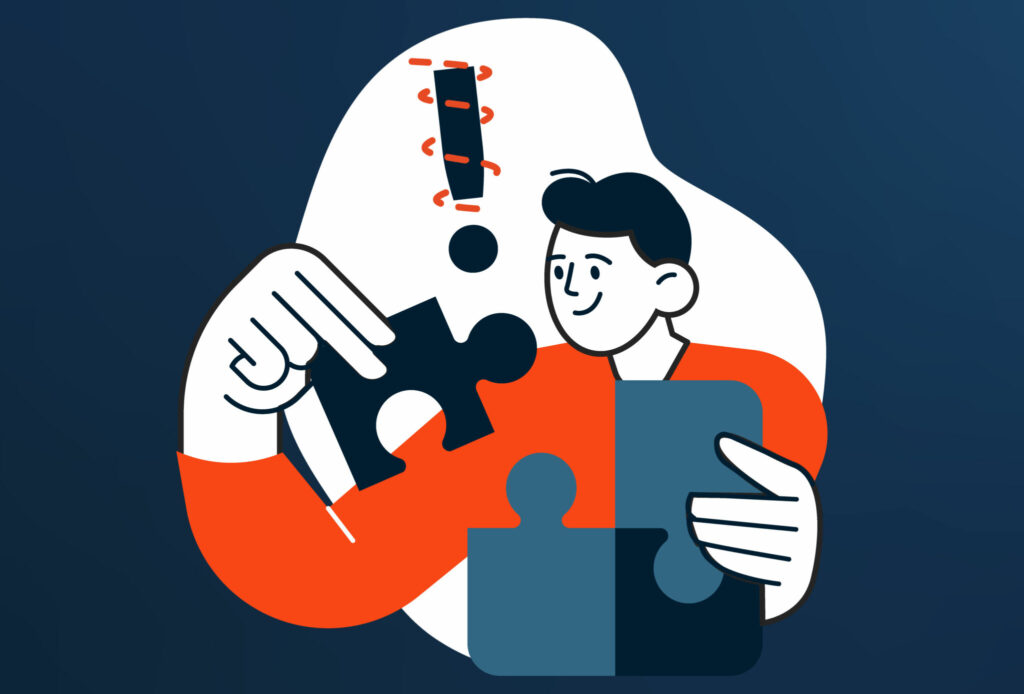
An IT divestiture is the process of separating, selling, or spinning off a portion of an organisation’s IT infrastructure; for example, when a company divides into two or more parts (as we saw back in 2015 when HP split into Hewlett Packard Enterprise (HPE) and HP Inc). When this happens, an IT strategy that involves splitting systems, databases, and other IT infrastructure must be created so that both entities can operate independently and focus on their own core strengths.
Since remaining agile has always been important for businesses when it comes to progress, IT divestitures may be undertaken for several reasons – including to streamline operations, comply with regulations, or even re-align strategic goals. So, although IT divestitures may seem like technology-driven initiatives (and involve plenty of IT consultancy), at heart, they’re usually more like business transformation efforts.
Naturally, technology plays a crucial role in enabling a smooth transition (the process involves data and application segregation, infrastructure realignment, security governance, and compliance oversight). However, the primary focus of most IT divestiture projects should be business. Therefore, any IT consulting should also focus on the implementation of innovative solutions aimed at ensuring stability, operational efficiency, and strategic growth.
Key business drivers behind IT divestiture
Regardless of the specific driver, IT divestiture is ultimately about positioning the business for future success rather than simply separating technical assets. And although each organisation is different, some common drivers for this might include:
Mergers, acquisitions, and spin-offs
Organisations may divest IT assets when a business unit is acquired, merged, or spun off to operate independently.
In these cases, IT assets — including hardware, software, data, and infrastructure — must be reassessed, reallocated, or transferred to ensure a smooth transition. This process often involves determining which systems and technologies will remain with the original organisation, which will be integrated into the acquiring or merged entity, and which need to be separated for the newly independent unit. Using innovative IT consultancy for a strategic separation ensures minimal disruption, data security, and compliance while optimising costs.
Regulatory compliance
Industries such as finance and healthcare frequently face regulatory requirements that necessitate divestitures to maintain compliance with antitrust laws, data privacy regulations, and other industry-specific mandates.
In the financial sector, e.g., regulatory bodies may require companies to divest certain business units or assets to prevent monopolistic practices, ensure market competition, and uphold consumer protection standards. Similarly, in the healthcare industry, organisations may need to divest facilities, subsidiaries, or data assets to comply with antitrust laws, data protection regulations (GDPR, HIPAA), and market competition requirements, for example.
Operational efficiency and cost reduction
Organisations may divest legacy IT systems to optimise costs and eliminate redundant infrastructure.
Legacy systems often require significant maintenance, consume excessive resources, and may not integrate well with modern technologies, leading to inefficiencies, cyber security challenges, and higher operational expenses. By divesting these outdated systems, organisations can streamline their IT environments, reduce cyber security vulnerabilities, and allocate resources more effectively toward innovative and scalable solutions.
Focus on core competencies:
Businesses looking to refine their strategic focus may divest non-essential IT assets to reallocate resources to more critical areas.
Businesses reallocate resources from non-essential IT functions to strategic initiatives such as AI-driven automation, digital services, and cloud innovation. By divesting these assets, organisations can free up capital, reduce maintenance costs, and enhance operational agility.
Digital transformation and innovation
Sometimes, legacy IT systems hinder innovation, prompting organisations to divest older technology and adopt modern, scalable solutions that enhance flexibility, security, and performance. Indeed, adopting next-generation IT infrastructure (cloud computing, artificial intelligence, and automation-driven architectures, etc.) allows companies to integrate emerging technologies seamlessly, future-proof their operations, and drive digital transformation initiatives that support long-term strategic growth.
Key challenges in IT divestiture
While divestiture projects involve significant IT challenges, their complexity extends far beyond the technology itself. A job like this necessitates a deep understanding of business objectives, operational workflows, and regulatory requirements too. Successfully executing a divestiture will usually mean careful collaboration with experts who not only have technical expertise but also take the time to understand the organisation’s strategic vision, industry landscape, and long-term goals.
Engaging with a managed service provider (MSP) that specialises in IT consultancy and long-term strategy (including divestitures) can be instrumental in navigating this complexity. A knowledgeable and effective MSP will work closely with internal teams to assess existing IT environments, identify potential risks, and develop a tailored transition plan that minimises disruptions. The most pressing of these often including:
- Business continuity risks: Ensuring minimal disruption to business operations is a key challenge, especially when IT systems are deeply integrated. Solution: Implement parallel operations, phased migrations, and robust BCP / DR plans.
- Data separation and security: Data must be segregated without violating regulatory requirements (GDPR, PCI-DSS, ISO 27001). Solution: Use Zero Trust models, secure data transfer mechanisms, and role-based access controls.
- Application and infrastructure dependencies: Many applications share cross-organisational dependencies that need careful management. Solution: Conduct application dependency mapping and implement modular cloud architectures.
- Stakeholder alignment: IT teams must collaborate with business leaders, legal teams, and compliance officers. Solution: Define clear governance frameworks and maintain regular cross-functional communication.
These challenges underscore the importance of taking a business-first approach to IT divestiture, rather than treating it as simply a technical task.
Organisations can also leverage the opportunity to innovate and future-proof their IT landscapes alongside the expertise of an MSP that understands both the technical and business aspects of divestitures, providing technical expertise in infrastructure migration, data security, and regulatory compliance.
IT divestiture as an opportunity for modernisation
As touched upon, a well-planned IT divestiture is not just about separating existing systems — it can also be an opportunity to modernise and implement forward-thinking technology strategies that will offer long-term benefits, including potential cost-savings. Some key areas of focus when it comes to this include:
Cloud adoption and hybrid IT strategies
Organisations undergoing IT divestiture will usually leverage cloud computing to ensure scalability, flexibility, and cost-efficiency. A hybrid IT approach, combining on-premises infrastructure with cloud solutions, can provide the agility needed to adapt to future business demands.
Modernising applications
Instead of migrating legacy applications as they are, divestitures present an opportunity to modernise applications through containerisation, microservices, or SaaS & PaaS solutions for cost savings and scalability.
Cyber security and zero trust architecture
Naturally, security is a major concern in any IT divestiture. Implementing a zero-trust security model ensures that all users, devices, and applications are continuously authenticated and monitored, reducing the risk of data breaches and insider threats. By implementing identity-based security models (EntraID, MFA, and SIEM solutions like Microsoft Sentinel), we can also leverage from AI-driven threat detection and compliance automation.
Data governance and advanced analytics
Divesting IT assets necessitates a re-evaluation of the way data is processed, handled, and utilised. Organisations should invest in data governance frameworks and advanced analytics capabilities to derive meaningful insights while also maintaining compliance with industry regulations.
AI and automation for efficiency
Artificial intelligence and automation can streamline IT operations, reducing manual effort in areas such as IT service management, security monitoring, and cloud provisioning. Automation can significantly accelerate the divestiture process and minimise human errors.
Final word: a business-first approach
IT divestiture is not just an IT challenge — it’s a strategic business initiative requiring careful planning, governance, and execution.
A business-first approach with a collaborative technology partner ensures that IT decisions support the company’s long-term vision, along with minimising risks and enhancing operational efficiency. Remember, the key is to create value while leveraging innovation, rather than simply focusing on system separation or technology migration.
If you would like to discuss your IT divestiture plans (or long-term IT strategy) with our seasoned experts here at Littlefish, please get in touch using the button on this page.