News & Insights
Zero Trust That Doesn’t Slow Delivery
For years, Zero Trust has been talked about as the future of cybersecurity – and rightly so. These days, it’s the foundation of most modern security strategies. Still, despite that momentum, many organisations still share a common concern: “If we adopt Zero Trust more fully, will it slow us down?”
Here’s the good news: it doesn’t have to.
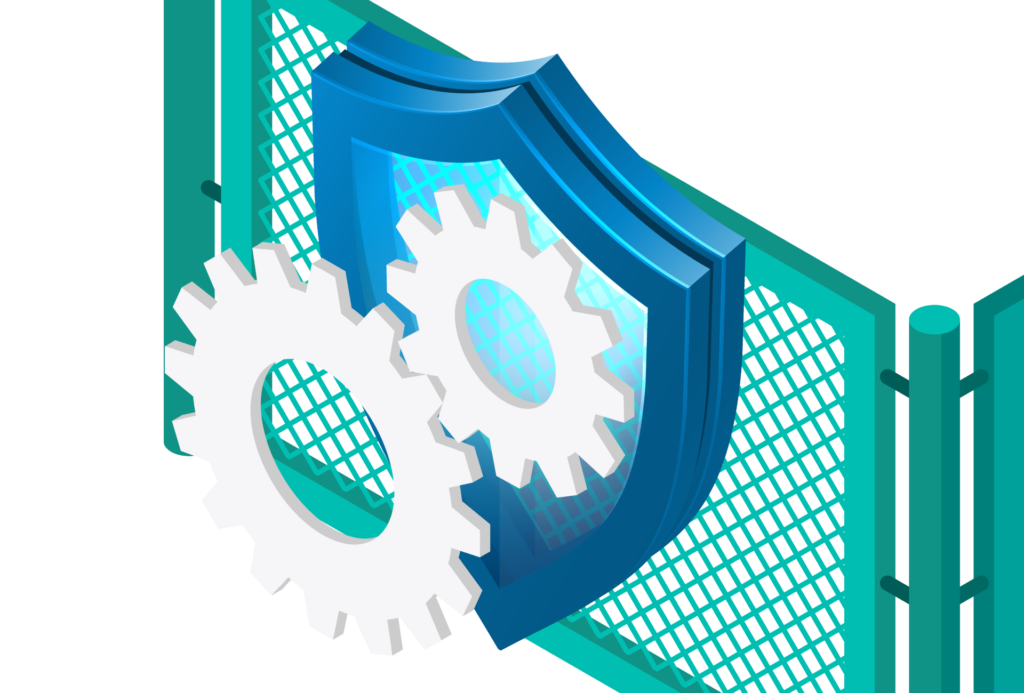
With the right guardrails (introduced in the right order), organisations can strengthen their defences and keep delivery velocity exactly where they want it. In fact, many teams end up shipping faster because the right guardrails often remove friction instead of adding it.
Why Zero Trust is the right destination
Zero Trust flips the traditional “trusted if you’re inside the network” mindset on its head. Instead of assuming anything ‘internal’ is safe, it verifies every user, every device, and every request, every single time. It’s a much more honest way to operate in a world where attackers rarely knock but slip in quietly.
NIST describes this shift as removing implicit trust entirely, turning authentication and authorisation into deliberate, consistent steps rather than background noise. What’s more, when Google rolled out BeyondCorp across its global workforce, it proved something powerful: people can work securely and productively from anywhere when access decisions are based on identity and context, not location.
That’s the real promise of Zero Trust: freedom with safeguards, not extra hoops to jump through.
Guardrails beat gates every time
One of the biggest misconceptions about Zero Trust is that it slows teams down. But the reality is far more nuanced. The organisations that succeed don’t build rigid gates that block progress; they build guardrails that keep teams safely on the paved road without interrupting their flow.
These guardrails:
- Sit inside everyday workflows
- Automate decisions behind the scenes
- Provide nudges, not roadblocks
- Reduce manual security reviews
- Keep developers moving while AppSec teams focus on real risks
It’s important to use a sequence of guardrails that align with how modern teams work. Remember, order matters.
Put controls in too early or too late, and you’ll frustrate people. Get the sequencing right, and you’ll quietly strengthen your entire estate without slowing anyone down.
Here’s how that might look:
1) Start with identity and device health
This is the easiest win. If you can prove who someone is and what state their device is in, you immediately shut down a huge number of common attack paths.
Think phishing-resistant MFA, conditional access, and verifying device health before issuing tokens. These are quick checks that remove a ton of downstream risk.
Guardrails in practice:
- Require FIDO2 or passkey MFA for privileged or sensitive roles
- Block outdated authentication methods that attackers love
- Only issue tokens to devices that meet compliance standards
- Step up authentication when risk signals spike
This step alone reduces account takeover incidents dramatically and lays a strong foundation for everything that follows.
2) Treat the browser as a policy enforcement point
So much of our work now lives in the browser: SaaS apps, consoles, admin tools, internal portals, etc. Treating the browser as a first-class enforcement point means access decisions can be made right at the moment work happens. This unlocks per-request checks that feel seamless for the user but significantly tighten control.
What this looks like:
- Contextual access policies enforced through the access proxy
- Time‑boxed elevation for sensitive sessions
- Remote browser isolation for risky actions or admin tools
It’s quiet, efficient, and practically invisible when done well.
3) Segment by application and data, not by network
Traditional network segmentation is becoming less useful in a world full of cloud, microservices, and remote access. Instead, segment the things that actually matter:
applications, data sensitivity, and user roles, for example.
With policies that scope access per session (and continuously re‑evaluate posture) you shrink blast radius without creating delivery headaches.
Guardrails in practice:
- Tier apps and datasets by risk and apply appropriate conditional access
- Use short-lived tokens for service-to-service communication‑lived tokens for service‑to‑service communication
This keeps everything tidy, controlled, and far harder for attackers to laterally move through.
4) Move from security gates to a paved road ‑road
Late-stage security checks slow everyone down, not just developers. Whether your organisation is rolling out new features, launching digital services, onboarding SaaS tools, or making routine configuration changes, last-minute security gatekeeping can become a major bottleneck.
Guardrails built directly into everyday workflows do the opposite. They quietly guide people toward the safest choices as they work, reducing rework, delays, and time spent chasing down issues after the fact. Think of it as weaving security “wisdom” into the tools and processes your teams already rely on.
What this looks like:
- Automated checks that flag risky configurations in cloud or SaaS platforms before they go live
- Policies that prevent sensitive data from being shared or stored insecurely
- Secure by default templates for infrastructure, applications, and admin actions‑by‑default templates for infrastructure, applications, and admin actions
- Real‑time prompts that guide users away from unsafe behaviour without stopping their flow
Here, teams are sped up by avoiding issues before they become blockers, outages, or security incidents.
5) Use performance metrics to show that security isn’t slowing delivery
You can strengthen your controls all day long, but leadership will still ask the same question: “Are we still delivering at pace?”
That’s why it’s important to track delivery performance using clear, neutral metrics. In software teams, these are known as DORA metrics, but the principle applies far more broadly: measure the speed and stability of how your organisation delivers change, whether that’s launching new digital services, configuring SaaS platforms, rolling out updates, or improving internal processes.
These measures help demonstrate that stronger security controls aren’t creating friction (and often show the opposite, with fewer failures, smoother releases, and faster recovery when things do go wrong).
By baselining these indicators and reviewing them regularly, you can clearly show how security guardrails help improve both stability and throughput over time, which is exactly the reassurance senior leaders need.
6) Build a controls backbone that maps to known frameworks
As your Zero Trust approach matures, it’s important to have a clear structure behind it, something that keeps everyone aligned, from operational teams to auditors to the board. Frameworks like CIS Controls and CISA’s Zero Trust Maturity Model provide exactly that: a shared language, a sense of progression, and a way to demonstrate that improvements are meaningful and measurable.
You don’t need to adopt every control immediately. Instead, map your existing guardrails to these frameworks so you can show steady, visible progress without overwhelming teams. This helps leaders see where you are today, where you’re heading next, and how each improvement strengthens both security and operational confidence across the organisation.
Leadership principles that make Zero Trust stick
Once the technical guardrails are in place, the next challenge is making the programme sustainable. Zero Trust is an evolving operating model and that’s where strong leadership habits come in. By guiding the programme with clear principles, you avoid over‑engineering, keep people onside, and ensure the organisation moves forward at a realistic, healthy pace.
- Sequence outcomes, not tools. Start where risk is highest and user experience is most manageable. Identity, device health, and browser enforcement usually produce outsized returns with minimal friction.
- Codify policy as code. Treat access, segmentation, and pipeline checks as versioned artefacts reviewed like any other code. This is consistent with Zero Trust’s policy engine concept and the SSDF’s emphasis on repeatable practices.
- Measure like you mean it. Report both security posture and delivery performance. DORA metrics belong in the same executive pack as your identity coverage and policy adoption rates.
- Iterate with context. Use CISA’s maturity levels to chart progress and use CIS Controls to keep work prioritised and auditable. Continuous improvement beats big bang programmes every time.
Final word
Zero Trust doesn’t have to be heavyweight, and it certainly doesn’t have to slow you down. With the right guardrails in place, you can reduce risk and keep your teams moving quickly and confidently.
At Littlefish Group, we help organisations take this journey every day, designing practical guardrails, strengthening resilience, and supporting secure operations without compromising delivery.
If you’re ready to design your own guardrail roadmap, explore Zero Trust without the friction, or simply want a fresh pair of eyes on your current approach, we’d love to help – please get in touch with our friendly and knowledgeable Cyber Services team to find out more.