
News & Insights
Hospital 2.0: Building Secure, Digitally Enabled Care
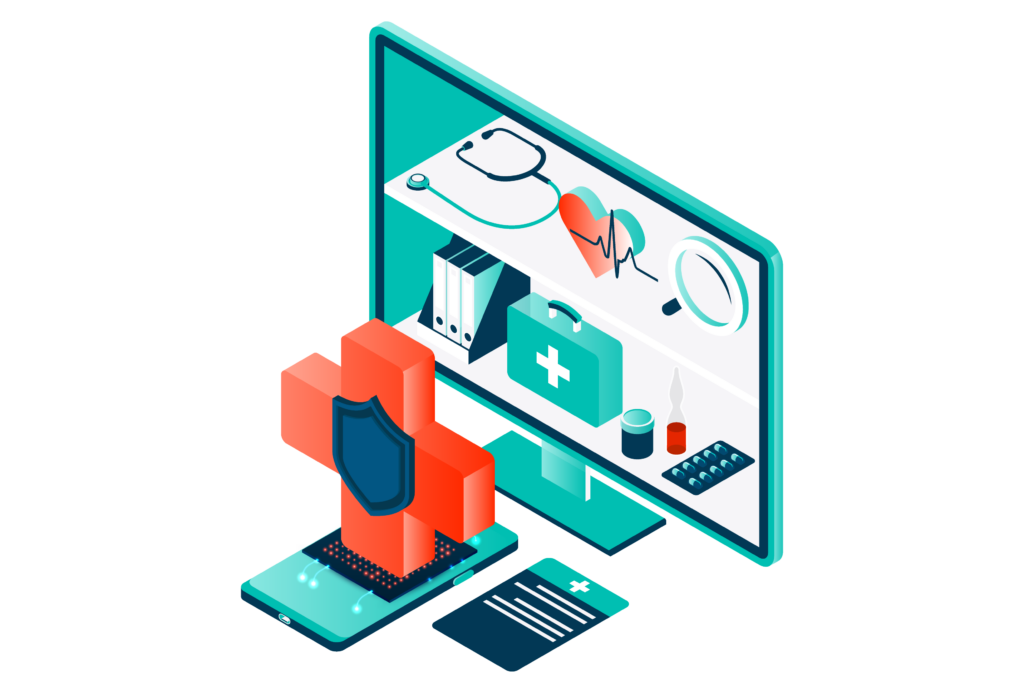
Imagine a hospital where care feels seamless. Smart sensors quietly monitor patient vitals, digital signage guides visitors’ paths with ease, and clinicians have instant access to insights that help inform critical decisions. Here, virtual wards extend care beyond physical walls, supported by secure video consultations and AI-driven triage, while patients use intuitive apps to book appointments, view results, and stay connected with their care teams. Predictive analytics also anticipate resource needs before bottlenecks occur, ensuring efficiency, continuity of care, and operational resilience.
All of this isn’t a distant dream; it’s the reality envisioned by Hospital 2.0 – the UK Government’s New Hospital Programme, which standardises design for future hospitals through digital solutions and optimised hospital layout.
These modern, efficient, and technologically enabled hospitals prioritise sustainability and integrated care, underpinned by a digital-first infrastructure that delivers safer, smarter, and more patient-centred environments.
The initiative presents both an opportunity and a challenge for leaders in healthcare, demanding a fundamental rethink of how care is delivered, how data is managed, and how technology underpins every interaction.
For me, the question is not whether the healthcare sector should embrace digital transformation, but how it can do so securely, effectively, and without the need to wait for the New Hospital Programme to help fund a new building! The Programme defines 49 Intelligent Hospital Capabilities – many of which can be applied to existing hospital estates to deliver improvements in care and efficiency.
Why digital transformation matters
We all know that healthcare is under unprecedented strain. Patient expectations for faster, more personalised care are rising, surgery backlogs remain stubbornly high, and staff shortages are stretching teams to breaking point. Ageing infrastructure, starved of capital throughout the 2010s, only compounds this challenge, leaving many organisations struggling to deliver safe, efficient services unless radical change happens – and fast.
Digital transformation is important because it offers a way forward. By harnessing data, automating processes, and enabling care beyond traditional boundaries, technology redefines what’s possible for healthcare and can deliver the efficiencies the sector needs.
Examples like AI-driven diagnostics, which accelerate decision-making, virtual consultations that improve accessibility, and digital transfer of care that help ensure continuity across care settings are a way for healthcare leaders to step up and deliver care that’s smarter, more connected, and truly patient-centred.
On that note, patient engagement is another critical area digital transformation addresses. The hope is that mobile apps and portals will allow patients to manage appointments, access personalised health information, and communicate securely with clinicians in a way that has become second nature to many of us. This offers convenience but also fosters trust and a sense of empowerment for patients.
Still, transformation is not just about exciting new tools. It’s about building the right foundations. Digital solutions must be underpinned by strong governance, interoperability, and user adoption or they will fail to deliver their intended value. Aligning technology with organisational goals and regulatory requirements ensures systems work seamlessly across care settings and produce acceptable ROI (often difficult to measure and quantify in a healthcare organisation).
For the healthcare sector, building these foundations means investing in clear governance frameworks, ensuring systems integrate across departments, and prioritising training and engagement so staff feel confident using new technology. It also involves mapping workflows to clinical realities and embedding compliance from day dot. Only when these elements come together, does digital transformation move from aspiration to measurable impact.
The role of cloud in modern healthcare
Perhaps it goes without saying that cloud technology is a key enabler of Hospital 2.0. It provides the scalability, flexibility, and resilience needed to support advanced applications and data-driven care models. Migrating to the cloud enables organisations to break free from legacy systems, unlocking the new capabilities for modern work inside healthcare.
However, cloud migration (or indeed modernisation/optimisation) is not a one-size-fits-all exercise. It demands careful planning, from assessing workloads to ensuring compliance with NHS digital standards and Data Protection.
In our experience here at Littlefish Group, hybrid models often offer the best balance for healthcare organisations, combining the agility of public cloud with the control of private infrastructure. Of course, governance and cost optimisation are equally critical to avoid spiralling expenses and underperforming systems.
Ultimately, cloud will play a pivotal role in driving the Government’s New Hospital Programme forward – powering virtual wards, supporting AI-driven diagnostics, and ensuring clinicians can access data securely from any location. When implemented effectively, by a partner with experience of the sector’s regulatory requirements, interoperability challenges, and clinical workflows, cloud technology quickly becomes the foundation for innovation and operational resilience in healthcare.
Cyber security and the foundation of trust
While cloud technology may enable innovation, with greater connectivity comes greater risk. As hospitals embrace digital platforms, virtual care and greater integration the attack surface expands dramatically, making cyber security the next critical pillar of transformation for Hospital 2.0.
Sadly, cyber threats in healthcare are real and growing. While nearly ten years ago now, the WannaCry attack on the NHS is a stark reminder of the risks, disrupting services and delaying patient care. Today, ransomware attacks (such as the 2024 Synnovis incident), data breaches, and identity theft remain among the most pressing concerns in healthcare and – in a world of virtual care – modern, robust security can never be optional.
These days, building cyber resilience requires more than firewalls and antivirus software. It calls for a layered approach combining advanced threat detection, continuous monitoring, and rapid response capabilities. Identity protection, endpoint security, and compliance management must be embedded into every stage of digital transformation when it comes to Hospital 2.0, or else organisations risk undermining trust in the very systems designed to improve care.
Still, it’s important that cyber security should be seen as an enabler, not a barrier to the New Hospital Programme. After all, when organisations invest in robust security strategies, they create the confidence needed to innovate, clinicians can adopt new tools without fear, and patients can engage with digital services knowing their data is safe.
In short, effective protection = progress.
Looking at the road ahead
Hospital 2.0 is not a single project, it’s a journey. Success depends on integrating digital solutions, including cloud technologies and cyber security, into a cohesive strategy. It means working with partners who understand the complexities of healthcare and can deliver solutions that are secure, scalable, and tailored to the sector’s needs.
As we understand it here at Littlefish Group, this journey is about more than technology. It is about people; clinicians crying out for intuitive tools, patients who expect and deserve safe, seamless experiences, and leaders who must balance innovation with compliance and cost control. By aligning stakeholders around a shared vision, healthcare organisations can build environments that are not only digitally advanced but also human-centred.
Strategic collaboration with the right partner can make this transformation achievable and significantly smoother. Expert guidance helps ensure progress stays aligned with organisational priorities, compliance requirements, as well as the human experience at the heart of this change.
Transform your healthcare organisation with secure, cloud-ready solutions. Learn how Littlefish Group supports digital innovation that prioritises clinicians, patients, and compliance by getting in touch today.