News & Insights
Unlocking Competitive Advantage with Microsoft Dynamics 365
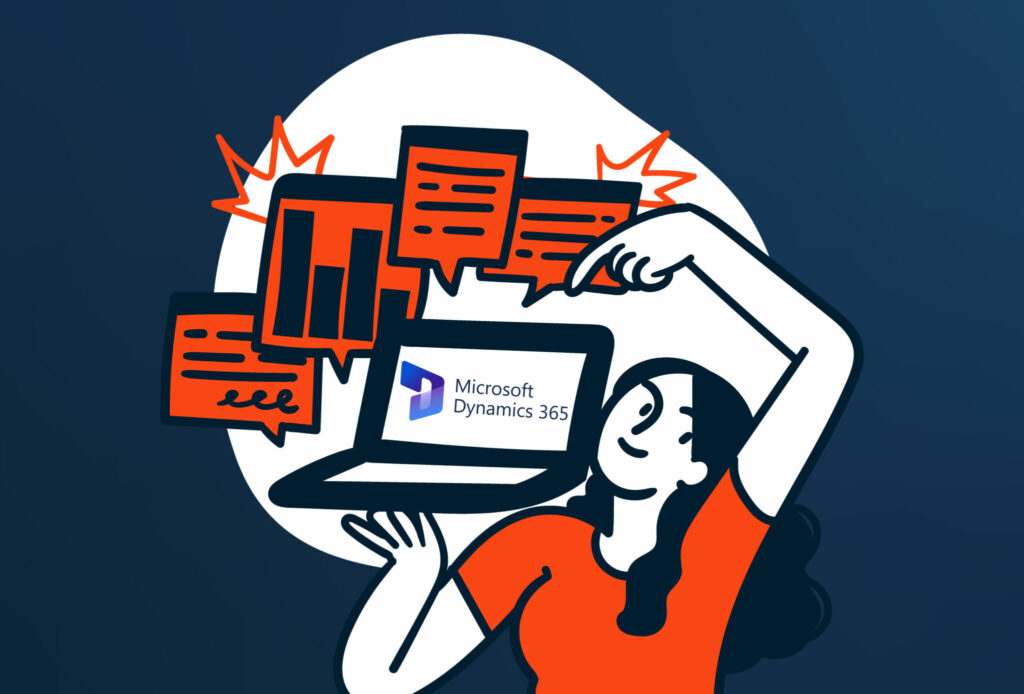
It’s tough out there for businesses right now. Of course, staying competitive requires more than just a good product or service; it demands innovative business optimisation strategies – things like streamlined operations, enhanced customer experiences, data-driven decision-making, process automation, and effective resource allocation (to name but a few!).
With that in mind, Microsoft Dynamics 365, a cloud-based suite of enterprise resource planning (ERP) and customer relationship management (CRM) tools, has emerged as a potential game-changer for organisations seeking to meet these demands. By providing a comprehensive, integrated platform for managing business processes that’s also underpinned with AI, Microsoft Dynamics empowers organisations to operate more efficiently, foster better customer relationships, and, ultimately, drive growth.
Designed for organisations of all sizes – including enterprise and industry-specific organisations – below we’ll take a closer look at why and how Microsoft Dynamics could revolutionise how your organisation operates.
How could Dynamics 365 transform the way your organisation operates?
Dynamics 365’s ERP and CRM applications, such as Dynamics Business Central and Dynamics Customer Engagement, helps businesses remain competitive, offering robust, integrated solutions to streamline their operations and stay ahead of the curve. These solutions include:
A unified platform for seamless integration
One of the most significant advantages of Microsoft Dynamics 365 is its ability to integrate seamlessly with other Microsoft products, like Office 365, Power BI, and Azure. This creates a unified ecosystem that allows employees to access and share information effortlessly across departments. For instance, in:
Retail: Sales teams can pull real-time customer data from Dynamics CRM while drafting targeted promotional materials, ensuring alignment between marketing and sales efforts.
Manufacturing: Production managers can use Excel to analyse Dynamics’ inventory data, reducing stockouts and ensuring optimal supply chain efficiency.
Healthcare: Medical staff can access patient records in real-time from Dynamics while using Teams for secure collaboration.
Moreover, Dynamics also supports integration with third-party applications, e.g., Stripe, Adobe, and Google Analytics, enabling organisations to build tailored solutions to meet their specific needs. By consolidating data and processes onto a single platform like this, businesses can break down silos, improve collaboration, and gain a 360-degree view of their operations.
Enhanced customer relationship management
Digital transformation has meant that customer expectations are higher than ever – luckily, one of the key strengths of Microsoft Dynamics CRM is its ability to centralise customer data, business processes, and communication channels in one accessible location. This means customer interactions can be managed across multiple touchpoints, including email, phone, social media, and in-person. Real-world use cases include:
Hospitality: Hotels might use Dynamics to track guest preferences and deliver tailored experiences, such as room upgrades or personalised dining options.
Retail: E-commerce businesses can segment customers based on purchase history and send targeted email campaigns to drive repeat sales.
Banking: Banks might leverage AI-driven insights to anticipate customer needs, offering personalised financial products like loans or investment plans.
These tools help build stronger customer relationships, leading to higher satisfaction and increased loyalty.
Data-driven decision-making with advanced analytics
Data is one of the most valuable assets for any organisation, but its true power lies in how it’s used. Microsoft Dynamics leverages the capabilities of Power BI and Azure Machine Learning to transform raw data into actionable insights. With intuitive dashboards, real-time reporting, and predictive analytics, decision-makers can access the information they need to make informed choices quickly. For example, in:
Retail: Track inventory levels and sales trends to stock the right products at the right time.
Education: Analyse student performance data to identify areas for improvement and allocate resources effectively.
Logistics: Predict delivery delays using real-time data, allowing for proactive customer communication.
As we can see, by making data-driven decisions, organisations can optimise operations, reduce costs, and seize new opportunities with more confidence and insight.
Flexibility and scalability
Every business is unique, and needs often evolve over time. For this reason, Microsoft Dynamics is designed with flexibility in mind, offering a range of modules that can be customised to fit specific requirements. This means that organisations can start with the modules they need and expand their use of the platform as their operations grow. For example, in:
Construction: Construction firms can integrate field service management to coordinate remote teams and track project milestones.
Nonprofits: A charity organisation might leverage Dynamics’ finance and fundraising tools to manage donations and budgets more effectively.
This kind of scalability ensures that businesses don’t outgrow their systems, which ultimately means avoiding costly and time-consuming migrations in the future.
Improved operational efficiency
Operational inefficiencies can hinder growth and reduce profitability. Microsoft Dynamics helps organisations streamline their workflows by automating repetitive tasks, standardising processes, and providing real-time visibility into operations. For example, in:
Retail: Automate invoice generation and inventory tracking to reduce errors and save time.
Professional services: Use project management tools to plan and monitor project timelines, ensuring they stay on track and within budget.
Manufacturing: Implement automated production scheduling to optimise resource utilisation.
Additionally, Dynamics’ project management tools enable teams to plan, execute, and monitor projects more effectively, ensuring they are completed on time and within budget.
Strengthened security and compliance
Microsoft Dynamics is built on the secure Microsoft Azure cloud platform, offering advanced security features like encryption, multi-factor authentication, and threat detection. Whilst all organisations require robust cyber security (especially with threats on the rise), industry specific use cases might include:
Healthcare: Ensure confidentiality by securing patient records and tracking access logs.
Finance: Help banks meet GDPR/Data Protection Act requirements by managing customer data securely and providing detailed audit trails.
Energy: Maintain compliance with ISO standards by automating safety and quality control reporting.
Remote work capabilities
The shift toward remote work and mobile operations has highlighted the need for flexible, cloud-based solutions. Microsoft Dynamics offers mobile-friendly interfaces and cloud accessibility, enabling employees to work from anywhere with an internet connection. Whether it’s accessing customer data on the go, approving invoices from home, or collaborating with remote team members, Dynamics supports a modern, agile workforce.
This enhanced mobility not only improves employee satisfaction and productivity but also ensures business continuity in the face of disruptions, such as natural disasters or pandemics.
Cost-effectiveness
Although implementing an ERP or CRM solution may seem like a significant investment, Microsoft Dynamics is designed to deliver long-term value. Working with a managed service provider can also help organisations realise the business value and solution capabilities of this powerful platform which also offers flexible pricing plans and modular options, making it a cost-effective choice for those looking for good ROI (and who isn’t?).
Remember, an MSP brings expertise and experience that can guide organisations in navigating the complexities of implementing, customising, and optimising Microsoft technologies, ensuring businesses maximise their investment.
Final word
Microsoft Dynamics offers a powerful, flexible, and scalable solution that helps modern workplaces streamline operations, enhance customer relationships, and make data-driven decisions. Its seamless integration with other Microsoft and third-party products, robust security features, and ability to adapt to changing business needs position it as a potential game-changer for organisations looking for long-term success strategies.
If you’d like to find out how Littlefish’s managed Microsoft Dynamics 365 service can help your organisation accelerate growth, manage operations, automate business processes, and so much more, please get in touch using the button on this page.